
Wood Fence Supply
We proudly offer Western Red Cedar and Inland Red Cedar on site for your cedar fence jobs. We have a variety of picket sizes and grades.
Western Red Cedar – 3/4″ and Inland Red Cedar – 7/8″
Resistant to rot, decay and insects, Western Red Cedar is long lasting and low maintenance. The natural beauty of Western Red Cedar makes it an ideal material for residential and commercial fence use. Pitch and resin-free, it can easily accept a variety of stains, making it a perfect product for builders and developers.
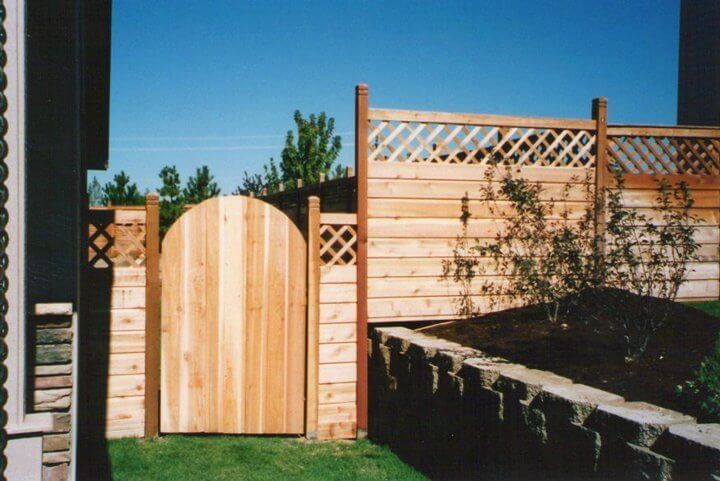
Cedar Picket Sizes:
1x4 (Flat Top and Dog-eared)
1x6 (Flat Top and Dog-eared)
1x8 (Flat Top and Dog-eared)
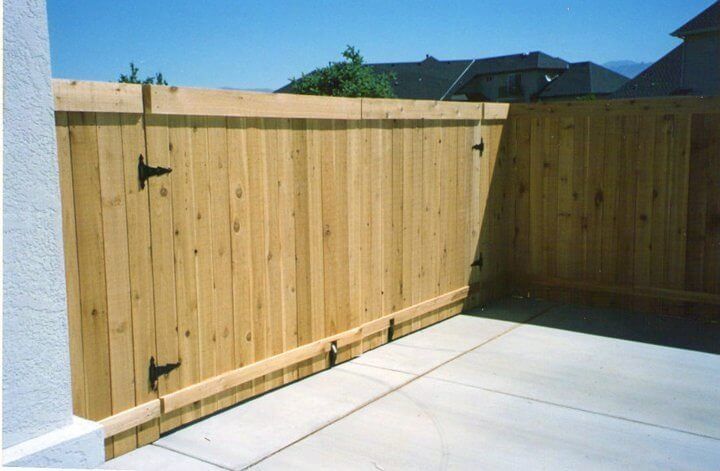
Cedar Posts:
4x4 Cedar Posts
4x6 Cedar Posts
6x6 Cedar Posts
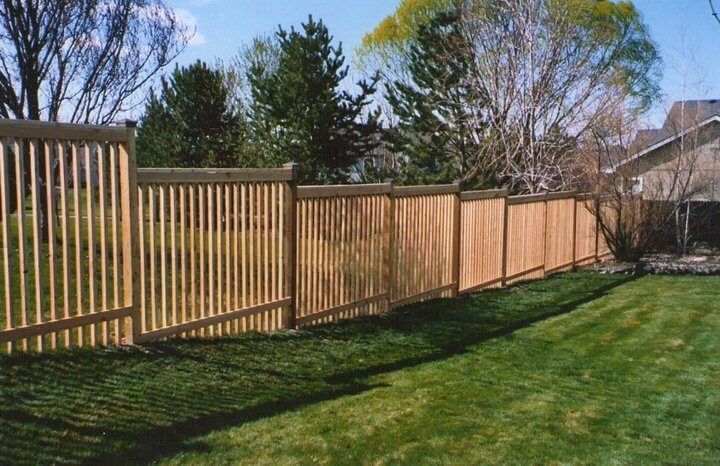
Postmaster Steel Post
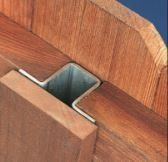
Postmaster Steel Post
Galvanized Round Metal Posts:
2 3/8″ x 6′ Steel Posts – 16 ga.
2 3/8″ x 8′ LG40 Heavy Duty Steel Posts
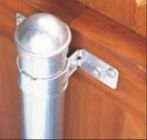
2 3/8″ Metal Post
Avimore Black Aluminum Grooved Posts:
Rails:
2x4 Douglas Fir Rails
2x4 Cedar Rails
2x6 Douglas Fir Rails
Cedar Split Rail Fencing:
2 and 3-Rail Cedar Split Rail Fence
Our knowledgeable staff can help you with planning, ordering and pick up of your cedar fence needs. Contact us today to place an order or to get more information about what’s in stock.
Drive into our quick and easy egress off Meridian Road, pick up your order and get on your job site fast with Idaho Fence and Deck Supply. Serving Idaho’s Fence and Building Contractors for over 10 years with high quality fence and deck supplies, integrity, customer service, great pricing, experience and sawmill relationships.
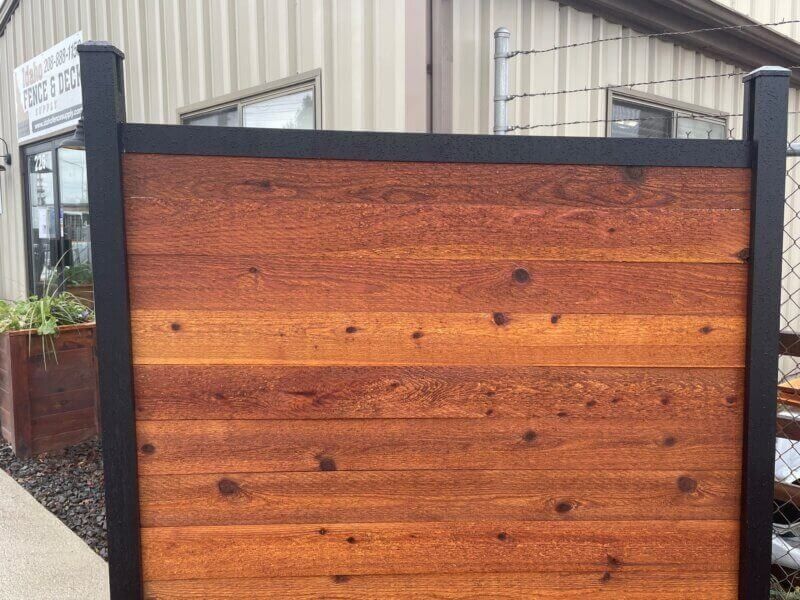
Avimore Posts with Cedar
Fencing That Holds Up to Outdoor Exposure
Wood Fence Supply in Meridian for privacy boundaries, rural property lines, and decorative installations
Idaho Fence & Deck Supply stocks premium cedar pickets, split rail, and wood fence panels across Greater Treasure Valley. The higher lumber grades available resist rot and insect damage more effectively than standard retail options, which matters when you're building a fence expected to last through Idaho's temperature swings and seasonal moisture changes. Contractors and DIY builders both work from the same inventory, with bulk and individual material options available depending on project size.
Wood fencing handles privacy needs, decorative applications, and rural property boundaries where clear sightlines aren't required. The pressure-treated posts anchor the structure below grade, where ground contact and freeze-thaw cycles would otherwise compromise untreated wood. Cedar pickets provide a naturally durable surface layer that stands up to UV exposure and seasonal weather without synthetic coatings.
Request a materials list based on your property layout and fence design before visiting for pickup.
What Separates Lumber Grades in Fence Materials
Higher-grade lumber means fewer knots, straighter boards, and denser grain structure. You'll notice the difference when cutting and fastening—premium boards split less during installation and hold screws or nails more securely. Consistent stock levels mean you can start projects without waiting on special orders or settling for mixed-quality materials that create visible inconsistencies along the fence line.
Idaho's dry summers and cold winters create expansion and contraction cycles that test fence materials year-round. Wood suited to these conditions maintains dimensional stability better than lumber milled for more temperate climates. Split rail fencing works particularly well for rural properties where decorative boundaries define space without blocking airflow or views across open land.
Questions Before Starting Your Fence Project
Property owners in Meridian often ask similar questions when planning wood fence installations, particularly around material selection and project timing.
How does Idaho's climate affect wood fence performance?
Dry summer air and winter freeze-thaw cycles cause expansion and contraction that can warp lower-grade lumber, so higher-grade boards with tighter grain structure maintain dimensional stability and appearance over multiple seasons.
What should I look for when selecting fence boards?
Inspect for consistent color, minimal knots, and straight grain running the length of the board—these indicators tell you the wood will fasten securely and resist splitting during installation.
Why buy materials in bulk versus individual pieces?
Bulk purchases from the same inventory lot mean consistent color and grain patterns across your entire fence line, which creates a uniform appearance that mixed materials from different suppliers can't match.
When is the best time to install a wood fence?
Spring and fall offer moderate temperatures that make installation more comfortable, though wood fencing can be installed year-round as long as post holes can be dug below the frost line.
Idaho Fence & Deck Supply maintains inventory levels that support immediate project starts without waiting on material availability. Visit the yard to review lumber grades in person and confirm quantities for your specific fence layout.